
Pretzel bread brings the familiar flavor of a soft, chewy pretzel into a loaf that is easy to slice and serve. The dough is made with simple pantry staples—flour, yeast, sugar, salt, butter, and lukewarm water—yet the finished bread has that distinctive pretzel character: a tender interior with a pleasantly chewy crust.
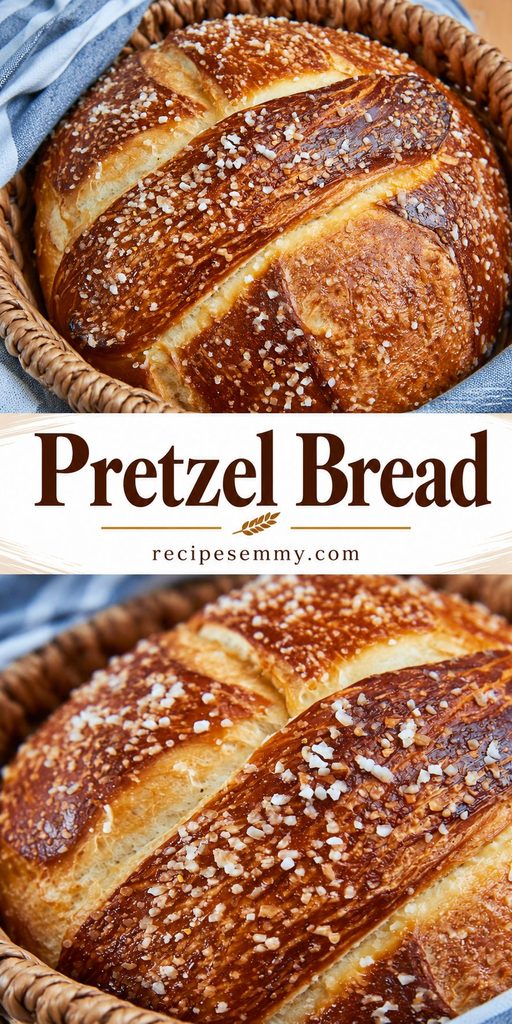
This recipe is a great choice when you want homemade bread with a little more personality than a standard sandwich loaf. The dough comes together with straightforward ingredients, and once baked, the loaf can be sliced for sandwiches, served alongside soups, or enjoyed warm with butter.
Why You’ll Love This Recipe
- Simple ingredients: Everything needed for the dough is familiar and easy to find.
- Soft, buttery texture: Melted butter gives the bread a tender crumb and richer flavor.
- Classic pretzel flavor: The yeast-based dough creates the chewy texture associated with pretzel bread.
- Versatile loaf: Slice it for sandwiches or serve it alongside savory meals.
- Great homemade bread project: The process is approachable without requiring complicated ingredients.
Preparation and Tools
Before starting, measure the flour, sugar, salt, yeast, and butter so everything is ready when you begin mixing. The water should be lukewarm, around 105–115°F (40–46°C). It should feel comfortably warm rather than hot.
You will need a mixing bowl for the dough, measuring equipment, and a suitable surface for working the dough. A clean work surface makes kneading easier, while a baking pan or loaf pan provides the structure needed for the bread as it bakes.
Because the butter is melted, let it cool slightly before incorporating it into the dough. It should still be liquid but not hot.
Preparation Tips
Use the right water temperature
Yeast works best when the water is warm but not excessively hot. Aim for the specified 105–115°F (40–46°C) range. Water that is too hot can interfere with the yeast, while water that is too cool can slow the process.
Divide the water as directed
The recipe calls for 1 1/4 cups (300 milliliters) of lukewarm water, divided. Keep the total amount unchanged and follow the recipe’s division during preparation rather than adding all of the water at once.
Let the melted butter cool slightly
The butter should be melted but slightly cooled before it goes into the dough. Adding very hot butter can affect the yeast and the texture of the dough, so giving it a few minutes to cool is worthwhile.
Measure the flour accurately
Flour can vary considerably depending on how it is measured. For the most consistent dough, weighing the flour at 500 grams is preferable. If measuring by cups, avoid packing the flour tightly into the measuring cup.
Pay attention to the dough’s texture
A good yeast dough should come together into a cohesive mass rather than remaining loose and wet. As you work it, look for a dough that becomes smoother and more elastic. This is more useful than relying only on a fixed amount of kneading time.
Ingredients
Lukewarm water
The recipe uses 1 1/4 cups (300 milliliters) of lukewarm water, divided between the dough-making steps. The temperature is important because the water helps activate the yeast.
Active dry yeast
2 1/4 teaspoons (7 grams) of active dry yeast provides the leavening for the bread. As the yeast works, it helps the dough rise and contributes to the bread’s characteristic texture.
All-purpose flour
The main structure of the loaf comes from 4 cups (500 grams) of all-purpose flour. Weighing the flour is especially helpful for maintaining the intended dough consistency.
Granulated sugar
A tablespoon of granulated sugar is included in the dough. It adds a small amount of sweetness while supporting the overall flavor of the bread.
Salt
2 teaspoons (9 grams) of salt balance the dough and help develop its flavor. Since salt is an important part of the recipe, measure it accurately rather than estimating.
Unsalted butter
The dough contains 4 tablespoons (60 grams) of unsalted butter, melted and slightly cooled. Using unsalted butter gives you control over the amount of salt in the recipe while adding richness and tenderness to the loaf.

Making the Pretzel Bread Dough
Start with the yeast mixture
Begin by working with the portion of lukewarm water called for in the recipe and the 2 1/4 teaspoons of active dry yeast. The water should be within the recommended 105–115°F range.
Give the yeast time to hydrate and activate according to the recipe’s preparation process. This early step is important because the yeast needs to be incorporated properly before the dough is developed.

Combine the dry ingredients
In a large mixing bowl, combine the 500 grams of all-purpose flour, 12 grams of granulated sugar, and 9 grams of salt.
Mix the dry ingredients so the sugar and salt are distributed throughout the flour. This helps create a more even dough once the wet ingredients are added.
Add the wet ingredients
Add the prepared yeast mixture along with the remaining portion of the lukewarm water. Then add the 60 grams of melted, slightly cooled unsalted butter.
Begin bringing everything together until the flour is moistened and a dough starts to form. At first, the mixture may look rough and uneven. Continue working it until the ingredients are incorporated.
Knead until smooth
Transfer the dough to a clean work surface if necessary and knead it until it becomes smoother and more elastic.
Kneading develops the structure that gives the finished pretzel bread its satisfying texture. Instead of focusing only on the clock, look at the dough itself. It should become cohesive and noticeably smoother as you work it.
If the dough initially feels somewhat rough, continue kneading rather than immediately changing the ingredient quantities. The flour needs time to absorb the water and butter and develop into a workable dough.
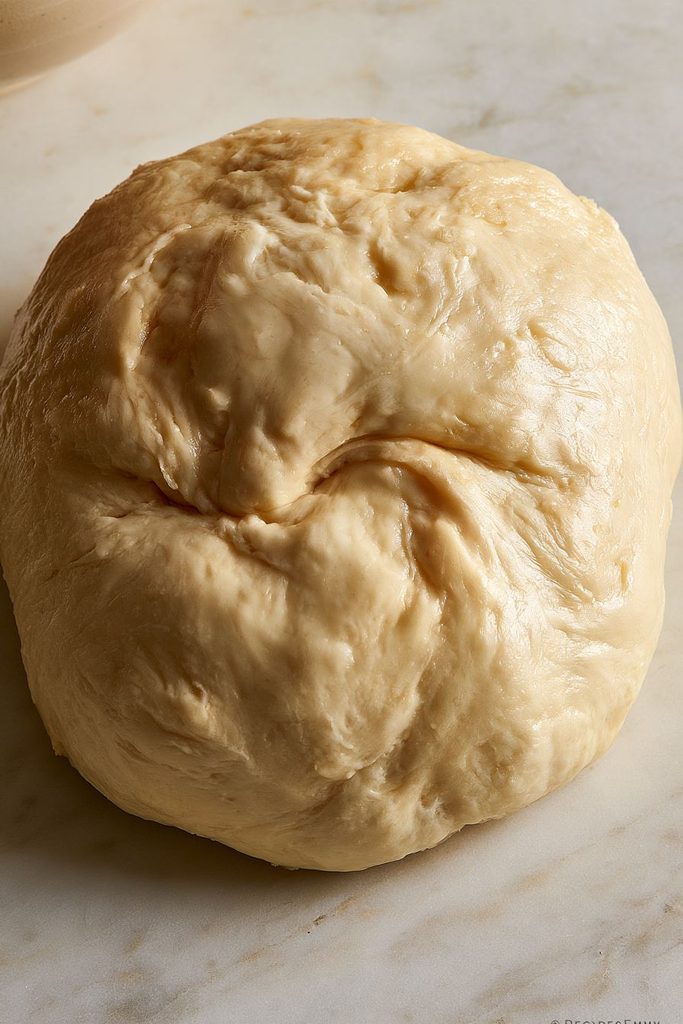
Allow the dough to rise
Once the dough has been kneaded, place it in a suitable bowl and allow it to rise according to the recipe’s fermentation process.
The dough should become visibly more expanded as the yeast works. Keep it in a comfortable, draft-free environment so the rising process can proceed steadily.
The exact appearance of the dough is more important than expecting it to behave at precisely the same rate every time. Kitchen temperature, flour, and yeast activity can all affect how quickly dough develops.
Shape the loaf
After the dough has completed its rise, gently shape it into a loaf.
Try to create an even shape so the bread bakes consistently from end to end. Avoid handling the dough more aggressively than necessary at this stage. A gentle shaping process helps maintain the structure developed during fermentation.
Place the shaped dough into the appropriate baking pan and prepare it for baking according to the recipe.

Bake until properly developed
Bake the shaped pretzel bread following the recipe’s baking instructions. As it cooks, the loaf should develop a baked exterior while the interior becomes firm enough to slice once cooled.
Keep an eye on the bread toward the end of baking. The finished loaf should look fully baked rather than pale or doughy in the center.
Once baked, allow the bread to cool before slicing. Cutting into a very hot loaf can compress the soft interior and make clean slices more difficult.
Notes
- For consistent measurements: Weigh the flour and butter when possible. The recipe specifies 500 grams of flour and 60 grams of butter.
- For the yeast: Keep the water within the specified 105–115°F range rather than using very hot water.
- For the butter: Melt the butter ahead of time and allow it to cool slightly before adding it to the dough.
- For slicing: Let the finished loaf cool sufficiently before cutting so the interior has time to set.
What to Serve With Pretzel Bread
Pretzel bread has a rich, buttery flavor and a chewy texture that makes it useful well beyond the bread basket. Because the loaf is hearty enough to stand up to savory fillings, it works especially well with substantial meals.
Sandwiches
Slice the cooled loaf and use it for sandwiches. The sturdy texture makes it suitable for both simple and more filling combinations.
Soups
Serve slices alongside a bowl of soup. The bread’s chewy crumb makes it especially useful for soaking up flavorful broth or creamy soup without falling apart immediately.
Salads
A slice of pretzel bread can turn a lighter salad into a more substantial meal. Serve it warm or at room temperature alongside the salad.
Butter
For the simplest option, serve warm slices with butter. The buttery dough already has plenty of flavor, so it does not need complicated accompaniments.
Storage Instructions
Allow the pretzel bread to cool completely before storing it. Once cooled, keep the loaf in an airtight container or tightly wrapped at room temperature for short-term storage.
For longer storage, the bread can be frozen. Wrap it securely to protect it from freezer air, then place it in a freezer-safe container or bag. When you’re ready to use it, allow it to thaw before serving.
If the bread becomes less tender after storage, gently warming individual slices can help bring back some of the softness. Avoid storing the bread while it is still warm, as trapped moisture can affect its texture.
Make-Ahead
The finished loaf can be prepared ahead of time and stored once completely cooled. For the freshest texture, slice only what you plan to serve rather than cutting the entire loaf in advance.
Estimated Nutrition
The recipe contains approximately 180–220 calories per serving, depending on how the loaf is divided. This is an estimate based on the supplied ingredients and should not be considered a verified nutritional analysis.
Frequently Asked Questions
Can I use active dry yeast for this pretzel bread?
Yes. This recipe specifically calls for 2 1/4 teaspoons (7 grams) of active dry yeast, so use that amount rather than substituting a different yeast quantity.
What temperature should the water be?
The water should be 105–115°F (40–46°C). Keeping the water within this range is important when preparing the yeast mixture.
Can I use salted butter?
The supplied recipe calls for unsalted butter, so unsalted butter is the appropriate choice. It allows the recipe to maintain its specified amount of salt.
Why does the butter need to cool slightly?
The butter is melted before being added, but it should be slightly cooled rather than very hot. This helps keep the dough ingredients at an appropriate temperature while the yeast is developing.
How do I know when the dough has been kneaded enough?
Look for a dough that has become cohesive, smoother, and more elastic. These visual and textural changes are useful indicators that the dough has developed rather than relying only on a specific kneading time.
Should I slice the bread while it is hot?
It is better to let the loaf cool before slicing. Cooling allows the interior to set, making it easier to cut clean slices without compressing the crumb.
Conclusion
This Pretzel Bread turns a straightforward yeast dough into a flavorful homemade loaf with a soft interior and satisfying chew. With simple ingredients and careful attention to the water temperature, dough texture, and shaping, it makes a versatile addition to everyday meals.
Print
Pretzel Bread
- Total Time: 2 hours 25 minutes
- Yield: 1 loaf 1x
Description
This homemade Pretzel Bread has a soft, tender crumb and satisfying chewy texture, made with a simple yeast dough enriched with melted butter. It is easy to slice and serve with soups, salads, sandwiches, or butter.
Ingredients
- 1 1/4 cups (300 milliliters) lukewarm water 105-115˚F (40-46˚C), divided
- 2 1/4 teaspoons (7 grams) active dry yeast
- 4 cups (500 grams) all-purpose flour
- 1 tablespoon (12 grams) granulated sugar
- 2 teaspoons (9 grams) salt
- 4 tablespoons (60 grams) unsalted butter melted and slightly cooled
Instructions
- Start with the yeast mixture: Begin by working with the portion of lukewarm water called for in the recipe and the 2 1/4 teaspoons of active dry yeast. The water should be within the recommended 105–115°F (40–46°C) range. Give the yeast time to hydrate and activate according to the recipe’s preparation process.
- Combine the dry ingredients: In a large mixing bowl, combine the 500 grams of all-purpose flour, 12 grams of granulated sugar, and 9 grams of salt. Mix the dry ingredients so the sugar and salt are distributed throughout the flour.
- Add the wet ingredients: Add the prepared yeast mixture along with the remaining portion of the lukewarm water. Then add the 60 grams of melted, slightly cooled unsalted butter. Begin bringing everything together until the flour is moistened and a dough starts to form.
- Knead until smooth: Transfer the dough to a clean work surface if necessary and knead it until it becomes smoother and more elastic. The dough should become cohesive and noticeably smoother as you work it.
- Allow the dough to rise: Once the dough has been kneaded, place it in a suitable bowl and allow it to rise according to the recipe’s fermentation process. The dough should become visibly more expanded as the yeast works.
- Shape the loaf: After the dough has completed its rise, gently shape it into a loaf. Try to create an even shape so the bread bakes consistently from end to end. Place the shaped dough into the appropriate baking pan and prepare it for baking according to the recipe.
- Bake until properly developed: Bake the shaped pretzel bread following the recipe’s baking instructions. The loaf should develop a baked exterior while the interior becomes firm enough to slice once cooled. Once baked, allow the bread to cool before slicing.
Notes
- Keep the water between 105–115°F (40–46°C) when preparing the yeast mixture.
- Melt the butter and allow it to cool slightly before adding it to the dough.
- Let the finished loaf cool before slicing so the crumb has time to set.
- Prep Time: 25 minutes
- Cook Time: 30 minutes
- Category: Breakfast
- Method: Baked
- Cuisine: American
Nutrition
- Serving Size: 1 loaf
- Calories: 220 calories
Keywords: pretzel bread, homemade pretzel bread, soft pretzel bread, easy pretzel bread, homemade bread, yeast bread, pretzel loaf




Leave a Comment