
These Homemade Vanilla Cupcakes are soft, tender, and full of classic vanilla flavor, with a buttery crumb that stays pleasantly moist. The combination of unsalted butter and a little vegetable oil gives the cupcakes both rich flavor and a softer texture, while milk keeps the batter smooth and light. Vanilla extract brings everything together without overpowering the simple, familiar flavor that makes vanilla cupcakes so versatile.

Each cupcake is finished with a creamy vanilla buttercream made from softened butter, powdered sugar, vanilla extract, and a little milk or water. The frosting is rich and smooth enough to pipe or spread over the cupcakes, making these a great choice for birthdays, celebrations, bake sales, or simply when you want a homemade treat that is easy to decorate.
Why You’ll Love This Recipe
These cupcakes have a straightforward ingredient list, but each ingredient has a purpose. The butter provides the classic richness you expect from a vanilla cupcake, while vegetable oil helps keep the crumb soft. Using both creates a better balance than relying on either fat alone.
The vanilla flavor also carries through into the frosting, so the finished cupcakes have a consistent flavor from the tender cake to the creamy topping. The buttercream can be adjusted with either water or milk, giving you some flexibility depending on the consistency you prefer.
Another advantage is that the batter is simple enough for everyday baking. Once the ingredients are measured accurately and the butter and eggs are at the appropriate temperature, the cupcakes come together without complicated techniques or unusual equipment.
Preparation and Tools
Start by bringing the butter to room temperature before mixing. The butter should be soft enough to press easily with a finger but should not be melted. Room-temperature butter blends more evenly with the sugar and helps create a smooth cupcake batter.
The eggs and milk are also best used at room temperature. Cold ingredients can make the butter firm up during mixing, which may leave the batter uneven.
Accurate flour measurement is particularly important for this recipe. Too much flour can make cupcakes heavier and drier than intended. For the most consistent result, weigh the flour using the provided 163-gram measurement. If measuring by volume, use the spoon-and-level method rather than scooping flour directly from the bag.
You will need a mixing bowl, a whisk or mixer, measuring tools, and a standard cupcake or muffin pan. Paper cupcake liners make removing the baked cupcakes easier and also give you a clean surface for decorating.
For the buttercream, a hand mixer or stand mixer is especially useful. It makes it easier to beat the butter until creamy and gradually incorporate the powdered sugar without leaving large lumps.
Preparation Tips
Before starting, measure all of the ingredients so you can move through the recipe without interruptions. This is especially helpful when working with butter and sugar because the mixture should be beaten until smooth before the remaining ingredients are incorporated.
Use softened butter rather than melted butter for both the cupcakes and frosting. Melted butter changes the structure of the batter and will not give the frosting the same creamy consistency.
When combining the dry ingredients, mix the flour, baking powder, and salt evenly. This helps distribute the baking powder throughout the flour so the cupcakes rise more consistently.
Avoid overmixing once the flour is added to the wet ingredients. Mix only until the batter comes together and the flour is no longer visible. Excessive mixing can develop the gluten in the flour and result in a firmer cupcake.
For the frosting, add the powdered sugar gradually. Starting slowly prevents a cloud of powdered sugar from covering the kitchen and gives the buttercream a smoother texture.
The amount of liquid in the buttercream can be adjusted within the provided range. Start with the smaller amount and add more as needed until the frosting reaches a smooth, spreadable or pipeable consistency.
Ingredients
Vanilla Cupcakes
All-purpose flour forms the structure of the cupcakes. Measuring the flour correctly is important because excess flour can make the finished crumb dense.
Baking powder provides the lift needed for light, tender cupcakes.
Salt balances the sweetness and helps the vanilla flavor stand out.
Unsalted butter adds richness and buttery flavor. Using unsalted butter also gives you control over the amount of salt in the recipe.
Sugar sweetens the cupcakes while contributing to their tender texture.
Vegetable oil adds moisture and helps keep the cupcakes soft.
Vanilla extract provides the main flavor of the cake.
Eggs help bind the ingredients together while contributing structure and richness.
Milk loosens the batter and contributes moisture for a tender crumb.
Vanilla Buttercream Frosting
Unsalted butter forms the creamy base of the frosting. It should be softened to room temperature so it can be beaten smoothly.
Powdered sugar provides sweetness and gives the buttercream its thick, creamy consistency.
Vanilla extract reinforces the vanilla flavor.
Water or milk adjusts the consistency. Milk adds a little extra richness, while water works when you want to keep the frosting slightly lighter.
Salt helps balance the sweetness of the powdered sugar.

Cooking Instructions
Step 1: Prepare the Cupcake Ingredients
Bring the butter to room temperature and allow the eggs and milk to lose their chill. Preheat the oven according to the baking temperature specified in your recipe method and line a cupcake pan with paper liners.
Measure the flour carefully, preferably by weight. Add the flour, baking powder, and salt to a bowl and whisk them together until evenly combined. Set the dry mixture aside while you prepare the wet ingredients.
Step 2: Cream the Butter and Sugar
Place the room-temperature butter and sugar in a mixing bowl. Beat them together until the mixture is smooth and creamy.
The goal is to create an evenly blended mixture rather than simply combining the two ingredients. Scrape down the sides of the bowl as needed so the butter and sugar are incorporated evenly.
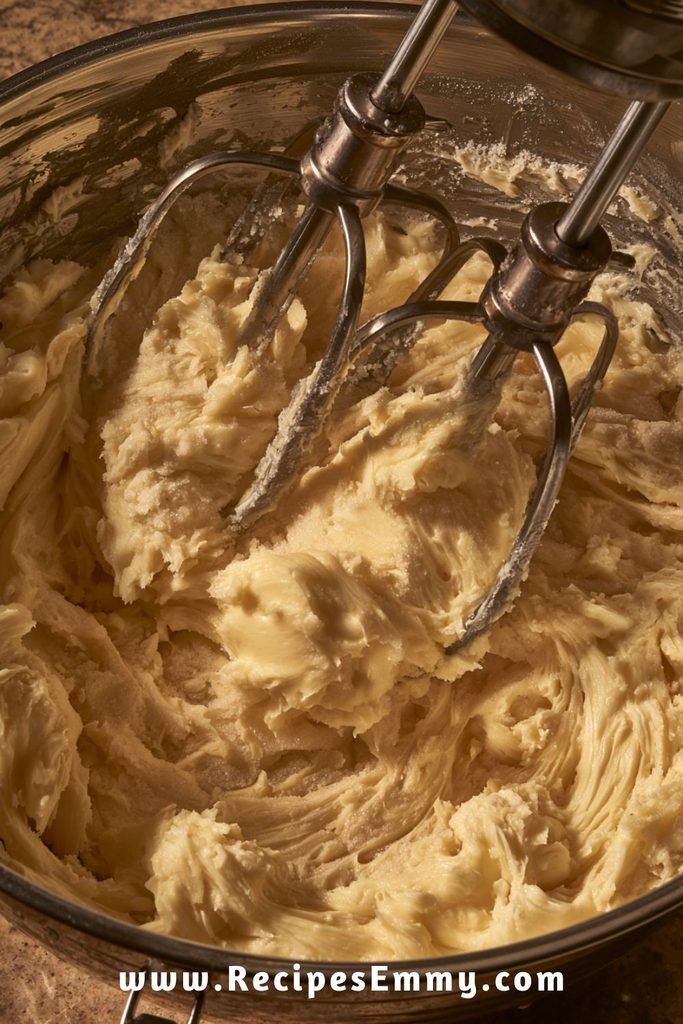
Step 3: Add the Oil and Vanilla
Add the vegetable oil and vanilla extract to the butter and sugar mixture. Mix until the ingredients are well combined.
The vegetable oil contributes additional moisture while the vanilla begins building the main flavor of the cupcakes.
Step 4: Incorporate the Eggs
Add the eggs to the mixture, incorporating them thoroughly. Scrape down the sides and bottom of the bowl if necessary to make sure there are no pockets of butter or egg left unmixed.
The batter should look smooth and cohesive before you begin adding the dry ingredients.
Step 5: Add the Dry Ingredients and Milk
Add the prepared flour mixture and milk, incorporating them gradually and mixing only until the batter is combined.
Avoid continuing to mix once the flour has disappeared. The finished batter should be smooth without being excessively worked.
Step 6: Fill the Cupcake Liners
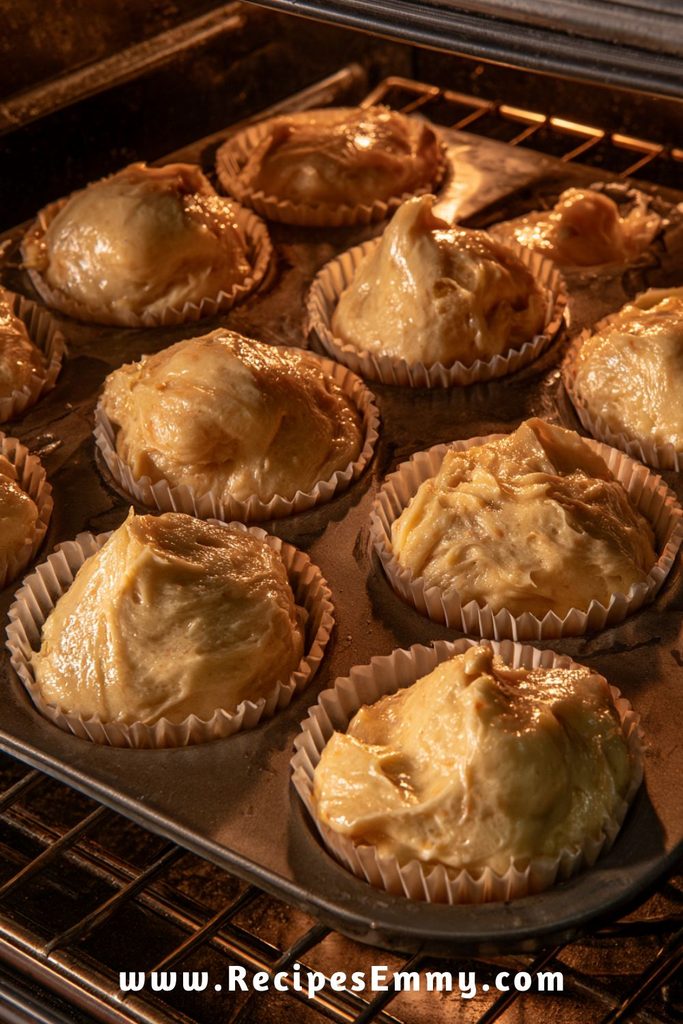
Divide the batter evenly among the prepared cupcake liners. Try to keep the portions similar so the cupcakes bake at the same rate.
Do not fill the liners excessively, as the batter needs room to rise during baking. Smooth the tops gently if needed before transferring the pan to the oven.
Step 7: Bake the Cupcakes
Bake the cupcakes until they have risen and the centers are set. Look for a lightly golden surface and a cupcake that springs back gently when touched.
Avoid opening the oven repeatedly while the cupcakes are baking, since frequent temperature changes can interfere with an even rise. Once baked, allow the cupcakes to cool before frosting them.
Step 8: Make the Vanilla Buttercream
For the frosting, beat the room-temperature butter until creamy and smooth. Gradually add the powdered sugar, mixing between additions until it is incorporated.
Add the vanilla extract and a small amount of water or milk. Beat until the frosting becomes smooth and creamy. If it is too thick, add a little more liquid; if it is softer than desired, continue mixing and adjust carefully with additional powdered sugar if needed.
Finish with a pinch or two of salt to balance the sweetness.
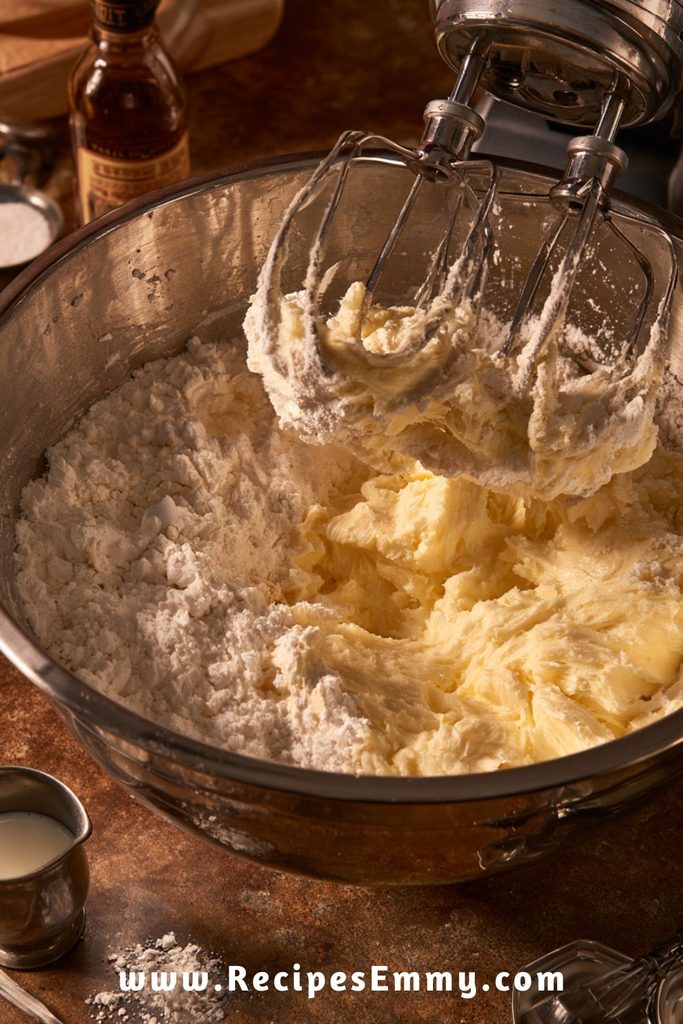
Step 9: Frost the Cooled Cupcakes
Make sure the cupcakes are completely cool before adding the buttercream. Warm cupcakes can soften the frosting and make it difficult to decorate neatly.
Spread the buttercream over each cupcake or pipe it on using your preferred decorating tip. The cupcakes are then ready to serve or decorate further for a special occasion.
Notes
For the softest texture, avoid overmixing the batter after the flour has been added. Mixing just until combined helps keep the cupcakes tender.
The frosting consistency is flexible. Use milk for a slightly richer buttercream or water when you want to adjust the texture without adding additional dairy.
Let the cupcakes cool completely before frosting. This is one of the easiest ways to keep the buttercream from becoming soft or sliding off the cakes.
What to Serve With Homemade Vanilla Cupcakes
These vanilla cupcakes are versatile enough to fit into everything from a casual afternoon treat to a birthday dessert table. Since both the cupcakes and buttercream have a classic vanilla flavor, they pair well with simple additions that do not overwhelm the cake.
- Fresh berries: Strawberries, raspberries, or blueberries add a fresh contrast to the sweet vanilla buttercream.
- Coffee: A cup of coffee pairs naturally with the buttery vanilla flavor and makes the cupcakes especially suitable for an afternoon snack.
- Tea: Black tea or a mild herbal tea provides a simple accompaniment when serving the cupcakes at a gathering.
- Fresh fruit: Sliced fruit can add freshness alongside the rich buttercream.
- Celebration desserts: These cupcakes work well as part of a dessert spread alongside other cookies, cakes, or brownies.
For decorating, the vanilla buttercream can be spread onto the cooled cupcakes or piped into a simple swirl. Keeping the decoration straightforward lets the vanilla flavor remain the focus.
Storage Instructions
Allow the cupcakes to cool completely before storing them. If they have already been frosted, place them in an airtight container that is tall enough to keep the buttercream from touching the lid.
The frosted cupcakes can be kept at room temperature for a short period in a cool kitchen, provided they are protected from heat and direct sunlight. If your kitchen is particularly warm, refrigeration is a better option because the buttercream can soften as it gets warmer.
For longer storage, refrigerate the cupcakes in a well-sealed container. Refrigerated cupcakes may become firmer, so allow them to sit at room temperature before serving. This gives the buttercream time to soften and brings the cupcake closer to its original tender texture.
The unfrosted cupcakes can also be prepared ahead of time and stored separately from the buttercream. Keeping the components separate makes it easier to frost the cupcakes shortly before serving and helps protect the texture of the buttercream.
If freezing, freeze the unfrosted cupcakes in a suitable airtight freezer container or tightly wrapped packaging. Thaw them completely before frosting. The buttercream can also be prepared ahead and refrigerated, then brought back toward room temperature and beaten again if needed to restore a smooth consistency.
Avoid frosting warm cupcakes. Even if you are preparing them ahead, wait until the cupcakes have cooled completely before applying the buttercream.
Estimated Nutrition
Nutrition will vary depending on the exact size of the cupcakes, the amount of buttercream used on each one, and how the batter and frosting are divided.
As a general estimate, one frosted Homemade Vanilla Cupcake contains approximately 350–400 calories per serving. This is an estimate based on the supplied ingredients and should not be treated as a verified nutritional analysis.
The buttercream contributes a significant portion of the calories because it contains butter and powdered sugar, so using a lighter layer of frosting will reduce the calories per cupcake.
Frequently Asked Questions
Can I use milk instead of water in the vanilla buttercream?
Yes. The recipe allows either water or milk. Milk gives the buttercream a slightly richer consistency, while water can be used when you simply need to loosen the frosting without adding more dairy.
Why do the cupcakes need room-temperature butter?
Room-temperature butter combines more smoothly with the sugar during the creaming stage. Softened butter can be beaten into a creamy mixture, while cold butter tends to remain firm and can make the batter uneven.
Can I use salted butter instead of unsalted butter?
The supplied recipe uses unsalted butter so the amount of salt can be controlled separately. If you substitute salted butter, keep in mind that the overall salt level may be different.
How do I know when the cupcakes are baked?
Look for cupcakes that have risen, have a lightly golden surface, and feel set in the center. They should spring back gently when touched rather than feeling wet or sunken.
Can I make the cupcakes ahead of time?
Yes. The unfrosted cupcakes can be prepared ahead and stored properly until you are ready to decorate them. Keeping the cupcakes and buttercream separate until closer to serving can make preparation easier.
Can I frost the cupcakes while they are still warm?
It is best to wait until they are completely cool. Warm cupcakes can soften the buttercream, causing it to lose its shape or become difficult to spread neatly.
Conclusion
Homemade Vanilla Cupcakes are a dependable choice when you want a simple cake with a soft crumb, familiar vanilla flavor, and creamy buttercream topping. The combination of butter and vegetable oil helps keep the cupcakes tender, while the matching vanilla buttercream gives them a classic finish.
With straightforward preparation and ingredients that are easy to find, this is the kind of cupcake recipe that can be adapted to everyday baking or dressed up for a special occasion. Let the cupcakes cool completely before frosting, adjust the buttercream with the supplied milk or water as needed, and you will have a simple homemade dessert ready for sharing.
Print
Homemade Vanilla Cupcakes
- Total Time: 40 minutes
- Yield: 12 cupcakes 1x
Description
These Homemade Vanilla Cupcakes are soft, tender, and buttery, topped with a creamy vanilla buttercream made with powdered sugar, vanilla extract, and softened butter.
Ingredients
Vanilla Cupcakes
- 1 ¼ cups (163g) all-purpose flour
- 1 ¼ teaspoons baking powder
- ¼ teaspoon salt
- 6 tablespoons (84g) unsalted butter, room temperature
- ¾ cup (155g) sugar
- 2 tablespoons (30ml) vegetable oil
- 1 ½ teaspoons vanilla extract
- 2 large eggs
- ½ cup plus 2 tablespoons (150ml) milk
Vanilla Buttercream Frosting
- 1 cup (224g) unsalted butter, room temperature
- 4 cups (460g) powdered sugar
- 1 ½ teaspoons vanilla extract
- 2–3 tablespoons (30–45ml) water or milk
- Pinch or two of salt
Instructions
- Preheat the oven according to the baking temperature specified for the recipe and line a cupcake pan with paper liners.
- Bring the butter to room temperature. Allow the eggs and milk to come to room temperature as well.
- Whisk together the all-purpose flour, baking powder, and salt in a bowl. Set aside.
- Beat the room-temperature butter and sugar together until smooth and creamy.
- Add the vegetable oil and vanilla extract and mix until well combined.
- Add the eggs and incorporate them thoroughly, scraping down the bowl as needed.
- Gradually add the dry ingredients and milk, mixing only until the batter is combined. Do not overmix.
- Divide the batter evenly among the prepared cupcake liners.
- Bake until the cupcakes have risen, the centers are set, and the tops are lightly golden. They should spring back gently when touched.
- Remove the cupcakes from the oven and allow them to cool completely before frosting.
- To make the buttercream, beat the room-temperature unsalted butter until creamy and smooth.
- Gradually add the powdered sugar, mixing between additions until incorporated.
- Add the vanilla extract and 2 tablespoons of water or milk. Beat until smooth, adding the remaining liquid gradually if needed to reach the desired consistency.
- Add a pinch or two of salt and mix until incorporated.
- Spread or pipe the buttercream onto the completely cooled cupcakes.
Notes
- Measure the flour carefully, preferably by weight, to help prevent dense or dry cupcakes.
- Use room-temperature butter for both the cupcakes and buttercream so the mixtures combine smoothly.
- Start with 2 tablespoons of liquid in the buttercream and add more gradually until the desired consistency is reached.
- Prep Time: 20 minutes
- Cook Time: 18 minutes
- Category: Dessert
- Method: Baked
- Cuisine: American
Nutrition
- Serving Size: 12 cupcakes
- Calories: 375 calories
Keywords: homemade vanilla cupcakes, vanilla cupcakes, vanilla cupcake recipe, homemade cupcakes, vanilla buttercream cupcakes

Leave a Comment