
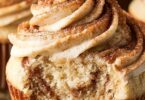
This Biscoff Cookie Butter Cake is made for anyone who loves the warm caramelized flavor of Biscoff cookies. The cake layers are soft and tender, with cookie butter worked directly into the batter for a subtle spiced flavor throughout. A creamy cookie butter frosting adds even more richness, while melted Biscoff cookie butter between the layers creates an extra-soft, indulgent center.

The finishing touch is a generous coating of Biscoff cookie crumbs, giving the cake a little texture against the smooth frosting. It is a beautiful choice for birthdays, celebrations, or simply when you want to turn a favorite cookie spread into a centerpiece dessert.
Why You’ll Love This Recipe
- Full of Biscoff flavor: Cookie butter goes into both the cake and frosting, so the flavor comes through in every layer.
- Soft and tender texture: Cake flour, sour cream, whole milk, and heavy cream help create a delicate cake with plenty of moisture.
- Creamy cookie butter frosting: The frosting combines butter and Biscoff cookie butter for a rich, spreadable finish.
- Extra cookie butter between the layers: Melted cookie butter adds a distinct layer of flavor and richness rather than relying on frosting alone.
- A beautiful finish: Biscoff cookie crumbs make the cake instantly recognizable and add a pleasant contrast in texture.
Preparation and Tools
Before starting, bring the butter, eggs, milk, heavy cream, and sour cream to room temperature. Room-temperature ingredients incorporate more evenly into the batter, which is especially helpful for a cake containing several dairy ingredients.
You’ll need mixing bowls, a stand mixer or electric hand mixer, measuring cups and spoons, cake pans, a spatula, and a cake turntable or serving plate if you plan to decorate the cake. Have a cooling rack ready for the baked layers.
For the frosting, make sure the butter is properly softened before mixing. You’ll also need a way to gently melt the cookie butter for the filling and topping, then allow it to cool before using it.
Preparation Tips
Measure the Cake Flour Carefully
Cake flour is lighter than all-purpose flour, so measuring it accurately matters. Avoid scooping it directly from the container if that packs the flour down. Instead, spoon it into your measuring cup and level the top.
Use Room-Temperature Ingredients
The eggs and dairy ingredients should be at room temperature before mixing. Cold ingredients can make the butter mixture less uniform, while room-temperature ingredients blend together more smoothly.
Keep the Melted Cookie Butter Manageable
The cookie butter used between the cake layers should be melted and then cooled before assembling the cake. It should be fluid enough to spread easily but not hot enough to soften the frosting or cake layers.
Don’t Rush the Cake Layers
Allow the baked layers to cool completely before frosting. Warm cake can soften the buttercream and make the layers difficult to stack neatly.
Give the Cookie Crumbs a Purpose
The Biscoff cookie crumbs are more than decoration. Their crisp texture provides contrast to the soft cake and creamy frosting, making the finished cake more interesting with every bite.
Ingredients
For the Cookie Butter Cake Batter
Unbleached cake flour provides the light, tender structure needed for this layered cake. The recipe uses 2 1/3 cups, measured carefully.
Granulated sugar sweetens the batter and contributes to the cake’s soft texture.
Baking powder provides the lift needed for the cake layers.
Fine sea salt balances the sweetness and helps bring out the cookie butter and vanilla flavors.
Unsalted butter adds richness and helps form the base of the cake batter. It should be cubed and at room temperature.
Biscoff cookie butter gives the cake its signature caramelized cookie flavor.
Eggs provide structure and help bind the ingredients together. Use large eggs at room temperature.
Whole milk, heavy cream, and sour cream create a rich, moist batter with a tender crumb.
Canola oil adds additional moisture while keeping the cake soft.
Vanilla bean paste rounds out the warm cookie butter flavor with a fragrant vanilla note.
For the Cookie Butter Frosting
The frosting starts with unsalted butter and Biscoff cookie butter, creating a rich base with plenty of cookie flavor. Powdered sugar provides sweetness and structure, while a pinch of fine sea salt keeps the frosting from tasting overly sweet.
A small amount of heavy cream helps adjust the consistency, and vanilla bean paste or extract adds another layer of flavor.
For assembling and decorating, you’ll also need melted and cooled Biscoff cookie butter and Biscoff cookie crumbs.
How to Make Biscoff Cookie Butter Cake
1. Prepare the Cake Batter
Begin by preparing all of the cake ingredients so they are ready to mix. The butter should be cubed and at room temperature, and the eggs and dairy ingredients should also be at room temperature.
Combine the cake flour, granulated sugar, baking powder, and fine sea salt. Add the cubed room-temperature butter and the Biscoff cookie butter. Mix until the ingredients are incorporated and the mixture begins to form a uniform base.
Next, add the eggs and continue mixing until incorporated. Add the whole milk, heavy cream, sour cream, canola oil, and vanilla bean paste. Mix until the batter is smooth and evenly combined.
Avoid unnecessary overmixing once the batter is fully incorporated. The goal is a cohesive batter with the ingredients evenly distributed throughout.
2. Bake the Cake Layers
Divide the prepared batter between the cake pans and smooth the tops so the layers bake evenly.
Bake the cakes according to the recipe’s baking temperature and until the layers are baked through. The finished cakes should be set and suitable for layering once completely cooled.
Transfer the baked cakes to a cooling rack and allow them to cool completely before beginning the frosting and assembly. This cooling step is important because frosting a warm cake can cause the buttercream to soften and slide.
3. Make the Cookie Butter Frosting
While the cake layers cool, prepare the frosting.
Beat the room-temperature unsalted butter until smooth and creamy. Add the Biscoff cookie butter and continue mixing until the two are thoroughly combined.
Gradually incorporate the powdered sugar, mixing until the frosting becomes smooth. Add the pinch of fine sea salt, followed by the heavy cream and vanilla bean paste or extract.
Continue mixing until the frosting is creamy and spreadable. The finished frosting should be smooth enough to spread over the cake while still being sturdy enough to hold the layers together.
4. Prepare the Cookie Butter Filling
Melt the Biscoff cookie butter reserved for layering and the top of the cake. Once melted, set it aside to cool.
It should remain fluid enough to spread over the cake layers, but it should not be hot when it comes into contact with the frosting. Cooling it first helps protect the frosting’s texture during assembly.
5. Assemble the Cake
Place the first completely cooled cake layer on your serving plate or cake board. Spread a layer of cookie butter frosting over the top.
Drizzle or spread some of the melted, cooled Biscoff cookie butter over the frosting, keeping it within the edges of the cake layer. The cookie butter creates a rich center between the layers while the frosting helps hold everything together.
Place the next cake layer on top and repeat the layering process. Continue until all of the cake layers have been stacked.
Once the layers are assembled, cover the outside of the cake with the remaining cookie butter frosting. Smooth the frosting around the sides and across the top, or leave a little texture if you prefer a more casual finish.
6. Finish With Biscoff Cookie Crumbs
Use the remaining melted cookie butter as directed for the top of the cake, then finish with the Biscoff cookie crumbs.
Scatter or press the crumbs onto the cake where desired, using them to create the final decorative layer. The crumbs add both visual appeal and a crisp cookie texture to the finished cake.
Allow the assembled cake to settle before serving so the layers remain secure and the filling has time to sit between them.

Notes
- Room-temperature ingredients: Bringing the butter, eggs, milk, heavy cream, and sour cream to room temperature helps the batter combine evenly.
- Cookie butter temperature: Always allow the melted Biscoff cookie butter to cool before using it between the cake layers or on top.
- Cookie crumbs: The Biscoff crumbs can be used around the cake or concentrated on top, depending on the look you want.
What to Serve With Biscoff Cookie Butter Cake
Because this cake is rich, sweet, and full of caramelized cookie flavor, simple accompaniments work especially well.
- Fresh berries: Strawberries, raspberries, or blueberries add a fresh contrast to the rich cookie butter frosting.
- Freshly brewed coffee: The roasted flavor of coffee pairs naturally with the warm, caramelized notes of Biscoff.
- Black tea: A cup of unsweetened or lightly sweetened tea provides a lighter pairing alongside the cake.
- Vanilla ice cream: A small scoop of vanilla ice cream makes each serving even more indulgent.
- Fresh whipped cream: Lightly sweetened whipped cream can add a soft, airy contrast to the dense frosting.
Storage Instructions
Because the frosting contains butter and heavy cream, store the finished Biscoff Cookie Butter Cake in the refrigerator. Keep it covered in a cake container or another airtight container so the cake does not absorb refrigerator odors or dry out.
For the best texture, let refrigerated slices sit at room temperature briefly before serving. This allows the butter-based frosting to soften and makes the cake more tender.
If you are preparing the cake ahead of time, the assembled cake can be kept refrigerated until you are ready to serve it. Keep the cake well covered during storage, particularly if it will be refrigerated for more than a short period.
Individual slices can also be stored in an airtight container in the refrigerator. When serving, allow them enough time to lose some of their chill before eating.
Estimated Nutrition
Nutrition will vary depending on the exact brands of cake flour, cookie butter, butter, and other ingredients used, as well as the size of each slice. Estimated calories are approximately 700–800 calories per serving when the finished cake is divided into 12 servings.
This is an estimate rather than a verified nutritional analysis.
Frequently Asked Questions
Can I make this cake ahead of time?
Yes. The cake is well suited to advance preparation because it is assembled as a layered cake with butter-based frosting. Keep the finished cake covered and refrigerated until serving.
Does the cake need to be refrigerated?
Yes. Because the frosting contains butter and heavy cream, refrigeration is recommended for storage. Keep the cake covered to maintain its texture and flavor.
Can I use regular vanilla extract instead of vanilla bean paste?
The cake recipe specifically calls for vanilla bean paste, while the frosting allows either vanilla bean paste or vanilla extract. For the frosting, use whichever option you have available.
Why should the melted cookie butter be cooled before assembling the cake?
Warm melted cookie butter can soften the frosting and make the cake layers harder to stack cleanly. Allowing it to cool keeps the frosting more stable during assembly while still leaving the cookie butter fluid enough to spread.
How should I store leftover cake?
Place leftover slices or the covered whole cake in the refrigerator. An airtight container or cake carrier helps protect the cake from drying out and keeps the Biscoff flavor fresh.
Can I serve the cake straight from the refrigerator?
You can, but the frosting will be firmer when chilled. Letting the cake sit out briefly before serving allows the butter-based frosting to soften and gives the cake a more pleasant texture.
Final Thoughts
Biscoff Cookie Butter Cake brings together soft cake layers, creamy cookie butter frosting, a rich cookie butter filling, and crisp Biscoff crumbs in one dessert. The combination gives every layer a different texture while keeping the familiar caramelized cookie flavor at the center. It is an especially fitting cake for anyone who reaches for the cookie butter jar before the cake has even been served.
Print
Biscoff Cookie Butter Cake
- Total Time: 1 hour
- Yield: 12 servings 1x
Description
A soft, tender Biscoff Cookie Butter Cake layered with creamy cookie butter frosting, melted Biscoff cookie butter, and crunchy Biscoff cookie crumbs for a rich caramelized cookie flavor in every bite.
Ingredients
For the Cookie Butter Cake Batter
- 2 1/3 cups unbleached cake flour
- 1 1/2 cups granulated sugar
- 1 tablespoon baking powder
- 1 teaspoon fine sea salt
- 6 tablespoons cubed, unsalted butter, room temperature
- 1/3 cup Biscoff cookie butter
- 3 large eggs, room temperature
- 1/2 cup whole milk, room temperature
- 1/2 cup heavy cream, room temperature
- 1/2 cup sour cream, room temperature
- 1/4 cup canola oil, or other neutral oil
- 2 teaspoons vanilla bean paste
For the Cookie Butter Frosting
- 2 cups unsalted butter, room temperature
- 2/3 cup Biscoff cookie butter
- 2 1/2 cups powdered sugar
- Pinch of fine sea salt
- 2 tablespoons heavy cream
- 1 teaspoon vanilla bean paste or extract
- 2/3 cup Biscoff cookie butter, melted and cooled, for between the layers and the top
- 2/3 cup Biscoff cookie crumbs, for decorating
Instructions
- Bring the butter, eggs, whole milk, heavy cream, and sour cream to room temperature before beginning. Prepare the cake pans and have all ingredients measured and ready.
- Combine the cake flour, granulated sugar, baking powder, and fine sea salt.
- Add the cubed room-temperature butter and 1/3 cup Biscoff cookie butter. Mix until incorporated.
- Add the room-temperature eggs and mix until combined.
- Add the whole milk, heavy cream, sour cream, canola oil, and vanilla bean paste. Mix until the batter is smooth and evenly combined, taking care not to overmix.
- Divide the batter between the prepared cake pans and smooth the tops.
- Bake until the cake layers are baked through and set.
- Transfer the cakes to a cooling rack and allow them to cool completely before frosting.
- For the frosting, beat the room-temperature unsalted butter until smooth and creamy.
- Add 2/3 cup Biscoff cookie butter and mix until fully combined.
- Gradually add the powdered sugar, then mix in the pinch of fine sea salt, heavy cream, and vanilla bean paste or extract. Beat until the frosting is smooth and spreadable.
- Melt the remaining 2/3 cup Biscoff cookie butter and allow it to cool before assembling the cake.
- Place the first cooled cake layer on a serving plate or cake board. Spread a layer of cookie butter frosting over the top.
- Spread or drizzle some of the melted, cooled Biscoff cookie butter over the frosting.
- Add the next cake layer and repeat the frosting and melted cookie butter layers until the cake is assembled.
- Cover the outside of the cake with the remaining cookie butter frosting and smooth the top and sides.
- Finish the cake with the remaining melted cookie butter and decorate with the Biscoff cookie crumbs.
- Allow the assembled cake to settle before slicing and serving.
Notes
- Bring the refrigerated ingredients to room temperature so they incorporate evenly into the cake batter.
- Allow melted Biscoff cookie butter to cool before spreading it between the layers or over the cake.
- Store the finished cake covered in the refrigerator and allow slices to soften slightly before serving.
- Prep Time: 30 minutes
- Cook Time: 30 minutes
- Category: Dessert
- Method: Baked
Nutrition
- Serving Size: 12 servings
- Calories: 750 calories
Keywords: Biscoff Cookie Butter Cake, Biscoff cake, cookie butter cake, Biscoff cake recipe, cookie butter frosting, Biscoff dessert, Biscoff birthday cake




Leave a Comment