
Buttery Soft Pretzel Bites are warm, chewy, and irresistibly tender, with a lightly crisp, golden-brown exterior and plenty of buttery flavor. Each bite starts with a simple yeast dough made from warm milk or water, brown sugar, flour, butter, and salt, then gets its classic pretzel finish from a quick baking soda bath before baking.
These bite-sized pretzels are especially good when served fresh from the oven and brushed with melted butter while they are still warm. The coarse salt on top adds just enough savory contrast to the soft interior, making them a great snack, appetizer, or homemade treat for sharing.

Why You’ll Love This Recipe
The dough is made with everyday ingredients and doesn’t require complicated shaping. Instead of forming full-size pretzels, you simply cut the dough into small pieces, making the process faster and easier while still giving the bites that familiar pretzel texture.
The baking soda bath is an important step because it helps create the characteristic deep golden-brown exterior while keeping the inside soft and chewy. A final brushing of melted butter adds richness and gives the finished bites their signature buttery taste.
Another advantage is that these pretzel bites are easy to customize. You can keep them simple with coarse salt, or serve them alongside your favorite dipping sauce for a more substantial snack.
Preparation and Tools
Start by warming the milk or water to 110 to 115°F. The temperature matters when working with active dry yeast: the liquid should feel warm but not hot. Water or milk that is too hot can interfere with the yeast, while liquid that is too cool may slow the dough’s rise.
You’ll need a large mixing bowl for the dough, a lightly floured work surface for shaping, a sharp knife or bench scraper for cutting the dough, and a large pot for the baking soda bath. A baking sheet lined with parchment paper makes transferring and baking the pretzel bites easier.
Keep extra flour nearby, but use it sparingly. Adding too much flour can make the dough firmer and reduce the soft texture you’re looking for.
Preparation Tips
Give the yeast time to activate after combining it with the warm liquid and brown sugar. A slightly foamy appearance is a useful indication that the yeast is active.
When kneading the dough, aim for a smooth and elastic texture rather than adding flour simply because the dough feels slightly sticky. A little tackiness is fine, while a very dry dough can produce tougher pretzel bites.
For evenly sized bites, roll the dough into ropes of similar thickness before cutting them. Consistent pieces will bake at roughly the same rate.
The baking soda bath should be handled carefully because the baking soda is added to hot water. Work in batches if necessary so the pot doesn’t become overcrowded. After the brief bath, let excess water drain before placing each piece on the prepared baking sheet.
Ingredients
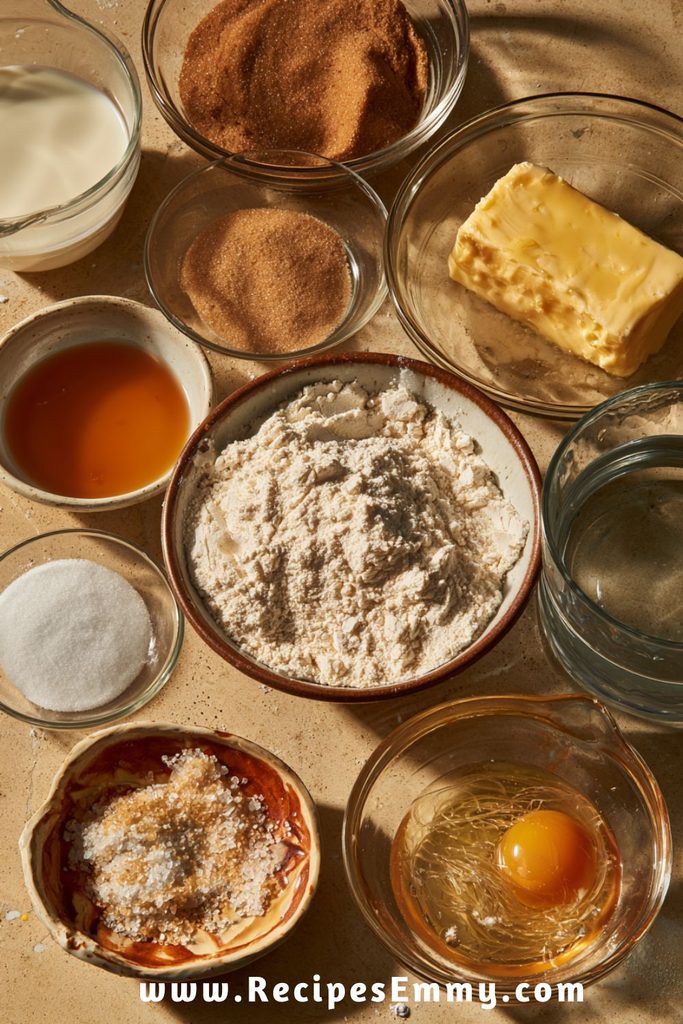
The warm milk or water provides the liquid needed to form the dough, while the brown sugar gives the yeast something to work with and adds a subtle sweetness.
Active dry yeast gives the pretzel dough its rise and helps create a soft, airy interior. The all-purpose flour provides the structure, while melted butter contributes richness and helps keep the finished bites tender.
A small amount of fine sea salt seasons the dough itself. The baking soda is reserved for the water bath, where it helps develop the pretzels’ distinctive exterior. Finally, a whisked egg mixed with water creates a glossy finish, while pretzel salt or coarse sea salt adds the classic salty topping.
Cooking Instructions
Step 1: Activate the Yeast
Pour the warm milk or water into a large mixing bowl. Add the brown sugar and active dry yeast, then stir gently to combine.
Let the mixture stand for several minutes until the yeast begins to activate. The liquid should show some foaming or bubbling on the surface.
Step 2: Make the Pretzel Dough
Add the all-purpose flour, melted butter, and fine sea salt to the yeast mixture. Stir until the ingredients come together into a rough dough.
Transfer the dough to a lightly floured surface and knead until it becomes smooth and elastic. Add small amounts of flour only when necessary to prevent excessive sticking.
The finished dough should feel soft and workable rather than stiff or dry.
Step 3: Let the Dough Rise
Place the kneaded dough in a lightly greased bowl and cover it. Leave it in a warm, draft-free area until it has risen and become noticeably larger.
The exact rising time can vary depending on the temperature of your kitchen, so use the dough’s appearance as the main guide rather than relying only on the clock.
Step 4: Shape the Pretzel Bites
Once the dough has risen, transfer it to a lightly floured work surface. Divide it into manageable portions and roll each portion into a long rope.
Cut the ropes into small, bite-sized pieces. Try to keep the pieces reasonably similar in size so they cook evenly.
Arrange the pieces on a parchment-lined baking sheet while you prepare the baking soda bath.
Step 5: Prepare the Baking Soda Bath
Bring the 9 cups of water to a boil in a large pot. Carefully add the baking soda.
The water will become more active when the baking soda is added, so pour it in gradually and carefully.
Working in batches, place the pretzel pieces into the baking soda water. Give them a brief bath, then remove them with a slotted spoon and allow excess water to drain.
Return the pieces to the prepared baking sheet, leaving a little space between them.
Step 6: Add the Egg Wash and Salt
Whisk the large egg with 1 tablespoon of water. Lightly brush the surface of each pretzel bite with the egg wash.
Sprinkle the tops with pretzel salt or coarse sea salt. Try to distribute the salt evenly so every bite gets a little seasoning without becoming overly salty.
Step 7: Bake Until Golden
Bake the pretzel bites according to the recipe’s baking temperature and until they are puffed and beautifully golden brown.
Keep an eye on them toward the end of baking. You want the exterior to develop a rich golden color while the centers remain soft.
Step 8: Brush With Butter
As soon as the pretzel bites come out of the oven, brush them with additional melted butter.
The warm pretzels absorb some of the butter immediately, adding richness and giving the exterior a soft, glossy finish. Serve them warm for the best texture.
Notes
For the softest texture, avoid adding more flour than necessary while kneading. The dough should be smooth and elastic with only a slight tackiness. If you use milk instead of water, the finished pretzel bites will have a slightly richer flavor.
You can also adjust the topping to suit your preference. Pretzel salt gives the most traditional finish, while coarse sea salt works well as an alternative. For a richer exterior, brush the bites generously with melted butter immediately after baking.
If you’re preparing the dough ahead, keep the shaping and baking stages as close to serving time as practical. Pretzel bites are at their best while still warm and freshly buttered.
Common Mistakes to Avoid
Using liquid that is too hot. The milk or water should be around 110 to 115°F. Excessive heat can damage the yeast and prevent the dough from rising properly.
Adding too much flour. It can be tempting to keep adding flour when the dough sticks to your hands, but an overly floury dough can become dense and less tender. Add flour gradually and only as needed.
Skipping the baking soda bath. This short step is responsible for much of the pretzel’s characteristic exterior. Without it, the bites won’t have the same classic pretzel appearance and texture.
Overcrowding the baking soda bath. Too many pieces at once make them harder to handle and can cause them to cook unevenly. Work in batches when needed.
Leaving too much water on the pretzels. Drain each piece briefly after the baking soda bath before returning it to the baking sheet. Excess water can make the surface unnecessarily wet and interfere with the egg wash.
Adding too much salt. The dough is already seasoned with fine sea salt, and the baking soda bath contributes to the pretzel’s distinctive flavor. Use the topping salt according to taste rather than covering the entire surface heavily.
Waiting too long to butter them. Melted butter is easiest to apply while the pretzel bites are still hot. Brushing them immediately after baking helps the butter cling to the surface and adds the rich finish that makes these bites especially enjoyable.
What to Serve With Buttery Soft Pretzel Bites
Buttery Soft Pretzel Bites are versatile enough to serve as a snack or appetizer, and a dipping sauce can turn them into a more complete party spread.
- Cheese sauce: A warm, creamy cheese dip pairs naturally with the salty pretzel exterior.
- Honey mustard: The sweet and tangy flavor provides a nice contrast to the buttery dough.
- Spicy mustard: A sharper mustard works especially well if you prefer a savory, more pronounced dip.
- Ranch dressing: Cool and creamy ranch balances the warm pretzel bites.
- Marinara sauce: For a different direction, marinara provides a bright tomato flavor against the rich buttered pretzels.
For casual entertaining, arrange the warm pretzel bites on a large platter and place one or two dipping sauces in bowls alongside them.
Storage Instructions
These pretzel bites are best enjoyed fresh and warm, when the centers are soft and the buttered exterior is at its most appealing.
If you have leftovers, allow them to cool completely before transferring them to an airtight container. Keep them refrigerated if you need to store them beyond the same day.
To bring back some of their freshly baked texture, reheat the bites in the oven until warmed through. Avoid overheating them, as prolonged heating can dry out the dough.
For longer storage, pretzel bites can generally be frozen once completely cooled. Arrange them in a freezer-safe container or bag, separating layers if necessary to prevent sticking. Reheat from frozen or after thawing until hot and soft again.
Estimated Nutrition
Nutrition will vary depending on whether milk or water is used, the exact amount of flour absorbed during preparation, the amount of butter used for brushing, and how much salt is added to the finished pretzels.
Because the supplied recipe does not specify a final serving yield or an exact amount of extra butter used for brushing, a precise per-serving calculation isn’t possible without making assumptions. For the printable recipe card, calories should therefore be treated as an estimate based on the stated ingredients and an assumed serving size.
Frequently Asked Questions
Can I use water instead of milk?
Yes. The recipe specifically allows either warm milk or water. Milk will give the dough a somewhat richer flavor, while water produces a lighter-tasting pretzel.
Why do the pretzel bites need a baking soda bath?
The baking soda bath helps create the characteristic pretzel exterior. It also contributes to the deep golden color and distinctive flavor that separates pretzels from ordinary yeast rolls.
Can I use coarse sea salt instead of pretzel salt?
Yes. Coarse sea salt is specifically listed as an alternative topping. Sprinkle it lightly over the egg-washed dough before baking.
Can I make the pretzel bites without an egg wash?
The egg wash helps the surface brown and gives the pretzels a glossy appearance. If you leave it out, the bites can still be baked, but the finished exterior may look less shiny and brown differently.
Why are my pretzel bites dense?
Dense pretzel bites can result from dough that was made too dry, insufficient yeast activity, or inadequate rising. Make sure the liquid is within the recommended 110 to 115°F range and allow the dough enough time to become noticeably larger before shaping.
How can I keep them soft?
Avoid over-flouring the dough and don’t overbake the bites. Brushing them with melted butter immediately after baking also helps give the exterior a softer, richer finish.
Conclusion
Buttery Soft Pretzel Bites bring the familiar flavor of homemade soft pretzels into an easy-to-share, bite-sized format. The yeast dough stays tender inside while the baking soda bath creates the classic pretzel exterior, and a final coating of melted butter makes each bite especially rich. Serve them warm with your favorite dip for a simple snack or appetizer that is best enjoyed straight from the oven.
Print
Buttery Soft Pretzel Bites
- Total Time: 59 minutes
- Yield: Approximately 48 pretzel bites 1x
Description
Soft, chewy, golden-brown pretzel bites brushed with melted butter and finished with coarse salt. These homemade pretzel bites are perfect for snacking, parties, and serving with your favorite dipping sauce.
Ingredients
- 1 1/2 cups warm milk or water (110 to 115°F)
- 1 tablespoon brown sugar
- 1 (0.25-ounce) package active dry yeast
- 4 1/2 cups all-purpose flour, plus more if needed
- 2 tablespoons melted butter, plus extra for brushing
- 1 teaspoon fine sea salt
- 9 cups water
- 1/3 cup baking soda
- 1 large egg, whisked with 1 tablespoon water
- Pretzel salt or coarse sea salt, for sprinkling
Instructions
- In a large mixing bowl, combine the warm milk or water and brown sugar. Sprinkle the active dry yeast over the top and let it stand for about 5 minutes, until foamy.
- Add the flour, melted butter, and fine sea salt. Stir until a dough forms, then knead for about 4 minutes, until smooth and elastic. Add a little extra flour only if the dough is excessively sticky.
- Transfer the dough to a lightly oiled bowl, cover, and let it rise in a warm place for 20 to 30 minutes, or until doubled in size.
- Preheat the oven to 450°F and line baking sheets with parchment paper.
- Bring the 9 cups of water and baking soda to a boil in a large pot.
- Divide the risen dough into portions. Roll each portion into a rope about 3/4-inch thick and cut into approximately 1-inch pieces.
- Working in batches, carefully place the pretzel pieces into the boiling baking soda bath for about 30 seconds. Remove with a slotted spoon and place on the prepared baking sheets.
- Brush the pretzel bites with the egg wash and sprinkle with pretzel salt or coarse sea salt.
- Bake for 12 to 14 minutes, or until golden brown.
- Remove from the oven and immediately brush the warm pretzel bites with additional melted butter. Serve warm.
Notes
- Keep the milk or water between 110 and 115°F so the yeast can activate properly without being exposed to excessive heat.
- Add flour gradually during kneading. Using too much can make the pretzel bites dense instead of soft and chewy.
- For the best buttery finish, brush the pretzel bites with melted butter immediately after they come out of the oven.
- Prep Time: 45 minutes
- Cook Time: 14 minutes
- Category: Appetizers
- Method: Baked
- Cuisine: American
Nutrition
- Serving Size: Approximately 48 pretzel bites
- Calories: 135 calories
Keywords: buttery soft pretzel bites, soft pretzel bites, homemade pretzel bites, pretzel bites recipe, easy pretzel bites



Leave a Comment